
ON SUBSTANCES, COPING, AND WHO DRUG LAWS ACTUALLY PROTECT
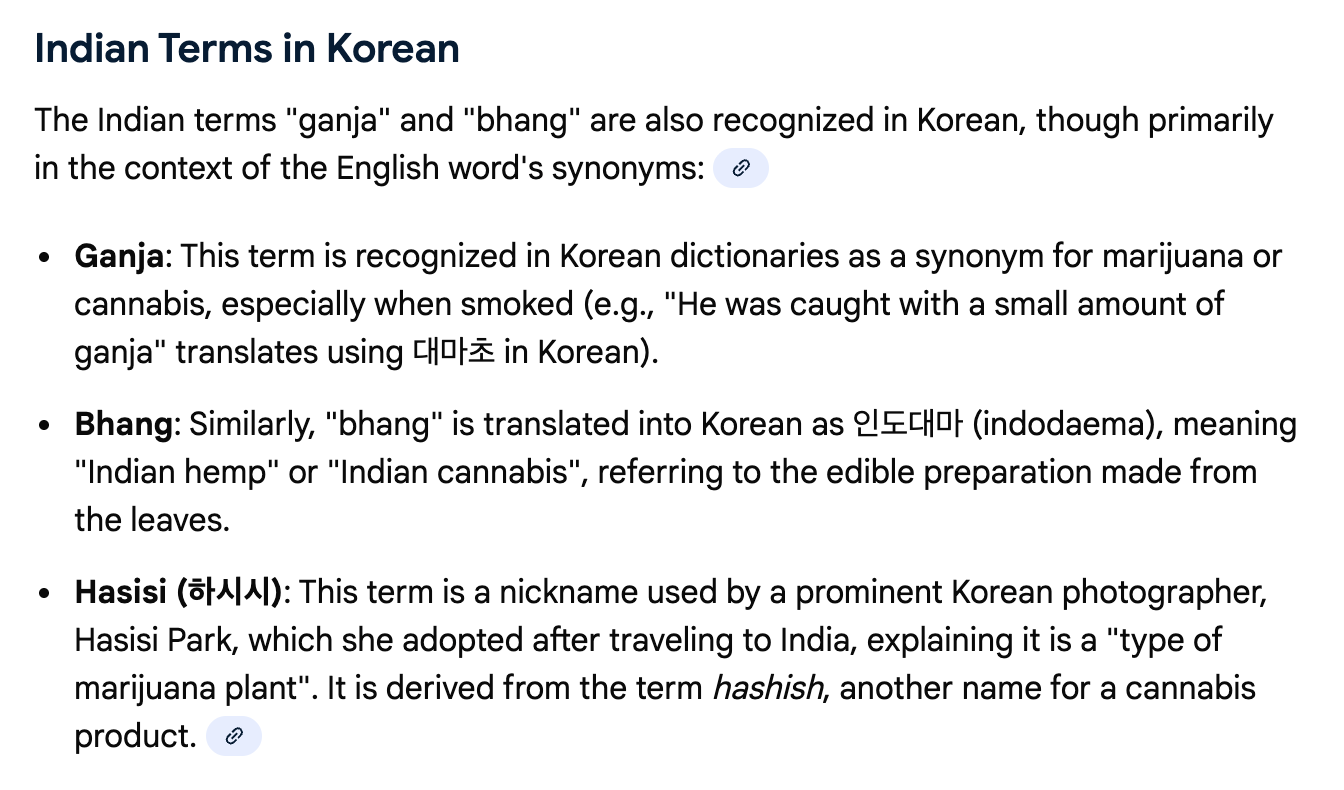
Thanks Google
I am not airing out my dirty laundry when it comes to substances. That is not what this is about.
I have had my fair share of partying throughout high school and during university. However, I did quickly learn early on that that sort of escapism was not for me. Alcohol was not for me. It made me angry. Emotionally unstable. Anxious. On some biochemical level, it just did not work with my body. I am South Korean after all.
So I pivoted. Quickly.
I started looking for something to ease my brain. Life is heavy. That is just the truth. I have dealt with life-debilitating anxiety for most of my life and I developed a strong level of resilience because of it. I masked it pretty well, huh?
Naturally, I turned to CBD first. It was fine. Nice, even. But I did not really feel like it affected me in any meaningful way.
Then came more trauma. More life. More lived experience. I knew that traditionally used recreational drugs, especially opioids, were a dangerous path for me.
Not morally dangerous. Life-altering dangerous. The kind of thing that quietly reroutes your entire future. I was not interested in that.
So I turned to cannabis. Fair, I think.
My South Korean mother did not agree.
Under the South Korean Narcotics Control Act, cannabis is not legal in any form. In November of 2018, an amendment was passed allowing for medical use under extremely strict conditions.
South Korea became the first East Asian country to legalize medical cannabis in any capacity. Which is something, I guess. Fifty points to capitalism. Fifty points to innovation or whatever.
But let us talk about why cannabis is so heavily frowned upon in the first place.
Especially in a country where people are socially known to binge drink. This is not even a stereotype. Alcohol is a crutch. For pain. For overworking. For studying too much. For depression, anxiety, stress. It is baked into the culture. Fully normalized.
Celebrated, even.
So why cannabis?
Historically, cannabis was believed to be a regular part of Korean medicine. Historians point to the Silk Road as its entry into the peninsula. Hemp grows naturally in Korea, especially in the Gyeongbuk region. It has been used for clothing, rope, and traditional remedies for generations. Hemp derivatives are still legal today.
So again, why the outrage?
Prohibition.
During the mid-1900s, under Japanese colonial rule, restrictions around substances were introduced. This was not a total blackout like the one popularized by the United States. It was more selective. Home brewing was limited to preserve rice for food rather than alcohol. Over time, those controls hardened into law.
In 1957, the Narcotics Act was passed, explicitly listing “Indian marijuana” as a prohibited drug alongside opium, poppies, and cocaine.
(EDITOR NOTES: From Google AI… The term "Indian marijuana" (or similar phrasing) was used in drug legislation. A 1935 law promulgated by the Japanese Government General in a certain region prohibited “Indian marijuana, Cannabis sativa el., its seeds, resins and products,” but notably did not prohibit Korean-grown marijuana at the time.)
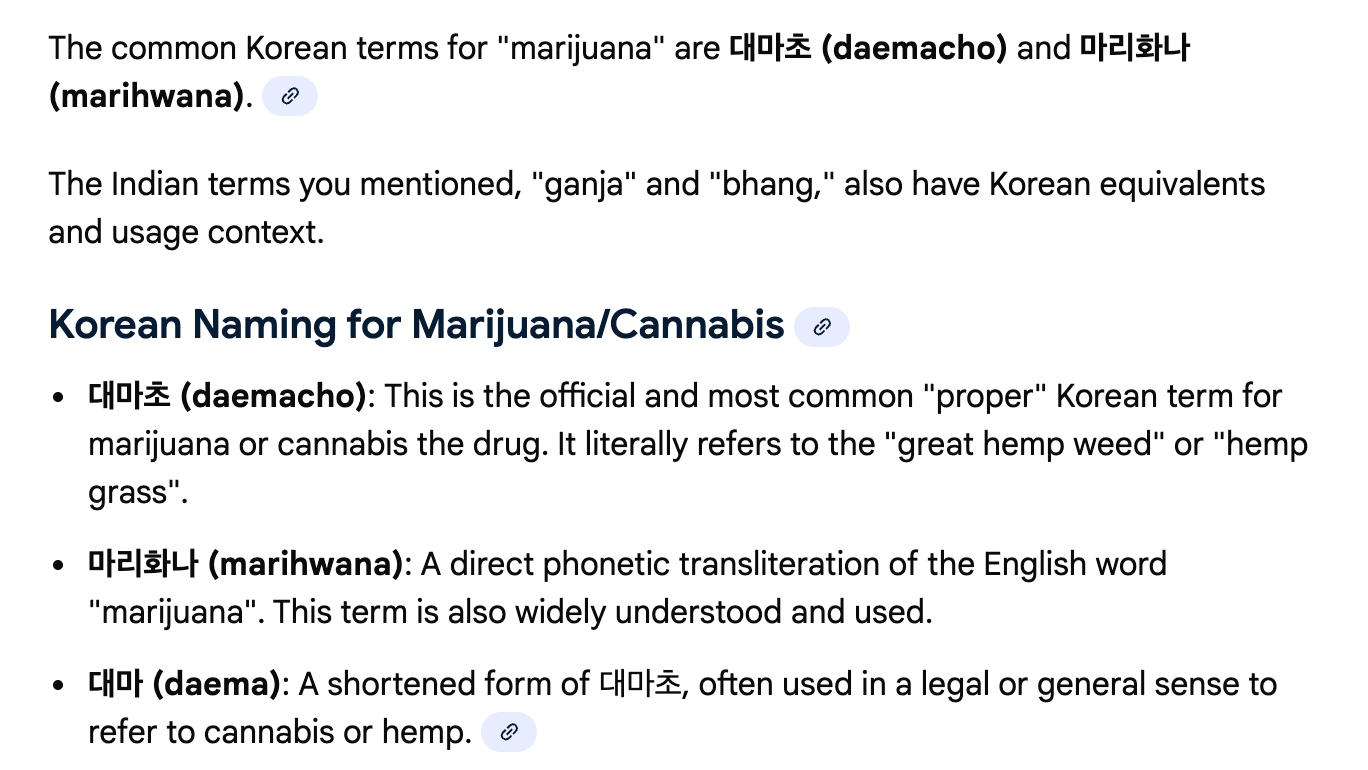
Only time Google Ai is helpful.. again.
Indian marijuana.
That phrasing alone tells you everything.
Cannabis was framed as foreign. As something imported. Dangerous. Corrupting. Meanwhile, alcohol remained culturally protected and socially encouraged.
It is hard not to read xenophobia into that.
What gets criminalized is not harm. It is deviation. What gets punished is not suffering, but choosing the wrong way to cope. The acceptable vices are the ones that keep people functional, compliant, and productive.
That is really what this is about.
Mic drop.
Goodnight.
Also, S/O to ESSEC Business School in Paris. I forget the professor’s name, unfortunately, but that class stuck with me. It was one of the first times I was encouraged to look at decriminalization not as a moral debate, but as a structural one. How it actually helps your bottom line. Governments. Public systems. Healthcare costs. Labor productivity. And, maybe most importantly, how it better protects the mental state of citizens instead of criminalizing them for trying to cope. That framework changed how I understood policy entirely.